Furniture as a category encompasses items designed for daily living, comfort, and functional ambience within interior spaces. This overview highlights structural materials, construction methods, and ergonomic considerations that influence durability, support, and aesthetics. Understanding frame types, joinery, and finish options helps assess suitability for different room layouts and user needs, including accessibility and sleep ergonomics.
Key elements across furniture categories include siting, storage, and versatility. For bedrooms and living areas, attention to scale, weight, and proportion ensures pieces integrate with existing layouts. Materials such as sustainably sourced wood, hardwood veneers, and low-VOC finishes contribute to indoor air quality and long-term upkeep, while design details affect ease of use and accessibility.
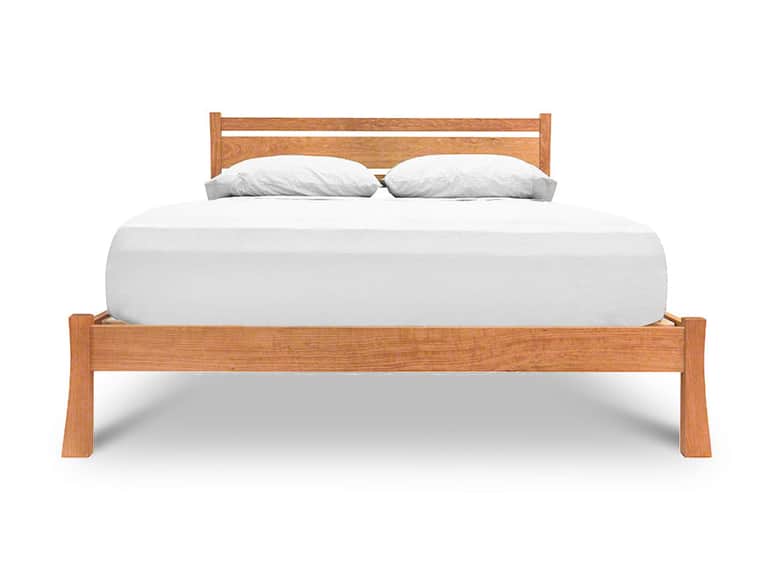
The Horizon Platform Bed illustrates several important product features relevant to durable furniture design. A platform bed typically relies on a solid base or slats to provide mattress support without a heavy box spring. Its low-profile silhouette, air circulation considerations, and simple assembly contribute to user-friendly maintenance and a clean bedroom aesthetic.
When evaluating beds, consider platform options for mattress compatibility, load-bearing capacity, and compatibility with headboards and slat systems. Functional benefits often include reduced noise, minimal bed frame exposure, and improved mattress longevity. These factors support stable sleep surfaces and streamlined, timeless design language within modern interiors.
Beyond beds, the broader category of bedding and related textiles—such as sheets, pillows, and organic mattresses—interacts with furniture to create a cohesive sleep environment. Materials like latex and organic fabrics influence comfort, climate control, and long-term durability, while ergonomic designs support spinal alignment and overall well-being.
 Furniture