Sleep science & bedding
Why Wool Bedding Can Help Create a More Balanced Sleep Surface
A wool layer can add gentle cushioning and help manage warmth and moisture—without making one-size-fits-all promises about how anyone will sleep. Here’s what makes wool distinctive, what to look for in a wool mattress pad or topper, and how to decide whether it belongs on your bed.
Published November 6, 2026
A bed can feel dramatically different with just one thoughtful layer. A wool-filled mattress pad, for instance, may soften the first impression of a firm surface, add a little cushion, and influence how heat and moisture feel through the night. It is not a magic fix for every sleep concern, and wool does not replace a mattress that is worn out or unsupportive. But for people who like natural materials and are looking to fine-tune a sleep surface, it is an option worth understanding.
Wool has a particular mix of qualities: it is a natural fiber, it can hold air within its structure, and it can absorb moisture. In bedding, those features may help create a less clammy, more even-feeling layer. The result depends on the product’s construction, the room, the mattress beneath it, and the sleeper’s own temperature preferences. In other words, the best wool bedding is not simply the thickest or most luxurious-looking choice. It is the one that works with the rest of the bed and the way you like to sleep.
That distinction matters because “temperature regulation” can sound like a promise that a material will keep everyone cool in summer and warm in winter. Wool can contribute to a comfortable microclimate, but it cannot control the bedroom thermostat or guarantee a particular experience. A useful way to think about it is as one part of a bedding system: a layer that may cushion, buffer temperature swings, and manage some moisture while sheets, sleepwear, mattress construction, and room conditions also play their part.
What makes wool different in bedding?
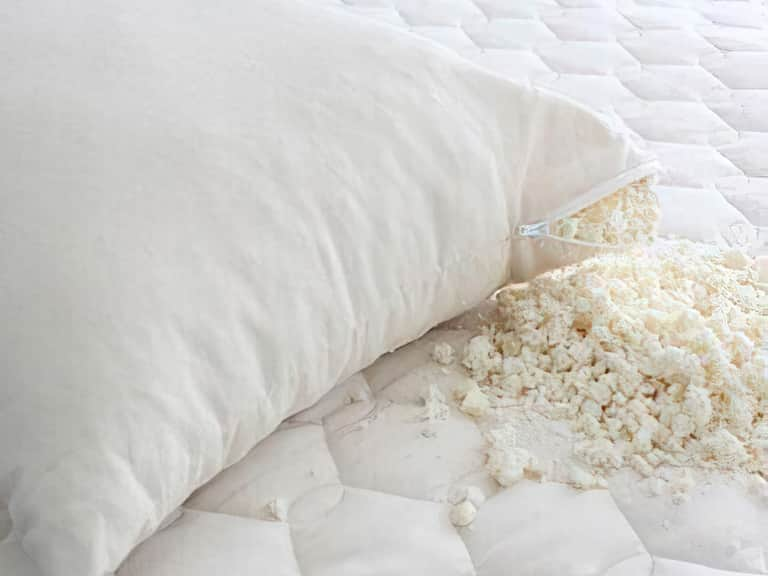
Wool fibers have a naturally springy, crimped structure. In filled bedding, that structure can help create loft and trap pockets of air. The layer may feel softly cushioned rather than flat, although the actual feel depends on the amount of fill, how it is quilted, and the cover fabric. Some wool pads offer a subtle change to the mattress surface; others are designed to add a more noticeable plushness.
Wool is also known for absorbing moisture into the fiber. That can be relevant for sleepers who dislike waking to a damp or sticky-feeling surface. Moisture absorption is not the same as waterproof protection, however, and a wool pad should not be assumed to guard a mattress against spills, accidents, or every type of stain. If protection is the main goal, check the product’s construction and care information closely, and consider whether a separate mattress protector is appropriate.
Its insulating character is another reason wool appears in bedding. Insulation does not necessarily mean that a sleep surface will feel excessively hot. The air held among fibers can provide a buffer, while the fiber’s moisture behavior may contribute to a comfortable feel. Still, people experience warmth differently. A hot sleeper in a warm room may prefer a lighter layer—or no extra fill at all—while someone who finds a bare mattress too cool or firm may appreciate the added softness and insulation.
A more balanced surface, not a new mattress
A mattress pad can make a bed feel more inviting, but it has limits. It may soften the surface and create a small amount of cushioning; it generally cannot correct a mattress that sags, lacks adequate support, or no longer suits the sleeper. Nor should it be treated as a medical solution for pain or a substitute for advice from a qualified health professional.
It helps to separate three different goals. First is protection: a layer designed to help shield the mattress from everyday wear or moisture. Second is surface feel: a pad or topper that adds softness, loft, or a different tactile finish. Third is support: the deeper structure that helps keep the body comfortably positioned. One bedding item may contribute to more than one goal, but the terms “pad” and “topper” are not used identically by every maker. Read the product description rather than relying on the label alone.
For a wool layer, ask how much it is expected to change the feel. A thin, lightly filled pad may provide a gentler adjustment, while a substantial topper can create a more pronounced cushioned surface. If you already like your mattress but want a softer touch, a modest layer may be enough. If the mattress feels fundamentally wrong, adding fill can disguise the problem briefly without solving it.
How to choose a wool mattress pad or topper
Product descriptions can be full of appealing words—natural, breathable, plush, temperature-regulating—but the practical details are what help you compare one option with another. Before choosing, look at the fill, cover, construction, fit, thickness, and care requirements. Together, these details offer a clearer sense of what the layer may feel like and how it will fit into everyday life.
1. Check what the fill actually contains
“Wool bedding” can describe different products and constructions. Some pads use wool as the main fill; some toppers combine wool with other materials; and some products include wool only in a particular layer. If you are specifically seeking wool’s cushioning or insulation, confirm that it is part of the fill rather than merely a small component. Where available, look for information about fiber type, sourcing, and any relevant certifications. A material name alone does not establish how much wool is present or how it was processed.
2. Consider the cover fabric
The cover is the part closest to the sheets and can shape the hand-feel, airflow, and overall impression of a pad. Cotton is a common choice because it offers a familiar, breathable fabric surface, but weave and finish matter too. A smooth cotton cover may feel different from a knitted or quilted one. If you are sensitive to textures, think about the layers that will touch your skin: the cover, fitted sheet, and any protector placed above the wool.
3. Think about loft and firmness
A wool pad is not automatically soft simply because the fiber is naturally springy. Fill quantity, quilting pattern, and how firmly the fill is held in place all affect loft and feel. A lightly padded layer may make only a subtle difference; a thicker construction can add more cushioning and height. If you like the current firmness of your bed, start by considering a lower-profile option. If you want a more noticeable plush layer, look for clear thickness and construction details rather than relying on mood-setting descriptions.
4. Measure for a secure fit
Fit is an easy detail to overlook until a pad shifts or the corners pull loose. Check the mattress size and depth, including any pillow-top or existing layers that add height. Then compare those measurements with the pad’s dimensions and pocket depth or attachment design. Some wool pads use elastic straps or corner bands, while others have a fitted skirt. A close, stable fit can help the surface stay smooth and reduce bunching under the sheet.
5. Read the care label before buying
Natural fibers do not all share the same cleaning routine. Some wool-filled bedding may require professional cleaning, while other items may have different instructions. A wool pad that needs dry cleaning can be a poor match for someone who wants to put bedding into a home washing machine. Follow the manufacturer’s instructions, and avoid assuming that a removable-looking cover means the filled item itself can be washed. Care needs are not a minor footnote; they are part of the cost and convenience of owning the product.
Wool alongside cotton, silk, and synthetic fills
Every bedding material has its own character, and comparisons are most useful when they focus on the qualities that matter to you. Cotton is familiar, versatile, and widely used in covers and pads. Depending on its weave and construction, it can provide a smooth or textured surface and may be easier to care for than some specialty fills. A cotton pad can be a straightforward choice for someone who wants a simple, natural-feeling layer without a particularly lofty change.
Silk-filled bedding is often selected for a light, smooth feel and moisture-management characteristics. It may suit someone looking for a delicate, low-bulk layer, though product care and construction differ by item. A silk pad is not interchangeable with a wool topper: the two can create different sensations and degrees of cushioning. Reading the fill and care details is more useful than treating “natural” as a single category.
Synthetic down-alternative fills can offer a soft, lofty surface and may be designed for easier routine care. Their performance varies by fiber, quilting, and cover. Some people appreciate the familiar puffiness; others prefer the feel of a natural fiber. No material is best for everyone, and the choice may come down to touch, maintenance, budget, sourcing priorities, and the degree of warmth or cushion desired.
Wool occupies its own middle ground: it can add loft and gentle insulation while absorbing moisture, but often requires more attention to care than a basic washable pad. That trade-off is worth weighing honestly. If washing convenience is the deciding factor, a machine-washable alternative may be more practical. If a natural fiber and a gently cushioned feel are higher priorities, wool may deserve a closer look.
A topper example: wool paired with other materials
Wool does not have to appear alone in a sleep surface. The Vispring Heaven Luxury Supreme Mattress Topper combines British fleece wool and soft-needled British wool with South American horsetail. Its listed height is 3.9 inches, making it a substantial topper rather than a barely-there pad. The maker describes the wool as helping regulate body temperature and the horsetail as adding resilience. Those material descriptions can help shoppers understand the design, but individual comfort will still depend on the mattress, bedding, room, and personal preference.
For a layered construction like this, pay attention to more than the wool content. Consider the total height, how the topper will fit beneath your sheets, whether the mattress already has a cushioned top, and what care the complete item requires. A thicker topper can make a bed feel notably different and may require deeper fitted sheets. A product can be beautifully made and still be the wrong choice if it does not fit your mattress or routine.
Who might appreciate wool bedding?
Wool may appeal to sleepers who want a natural-fiber layer, prefer a gently cushioned surface, or are interested in a material that can absorb moisture and provide insulation. It can also be attractive to people building a layered bedding system with a specific tactile feel in mind. The key is to match the product to a real preference rather than buying it based on broad claims about sleep performance.
It may be less suitable for someone who wants a very cool, thin, nearly weightless surface, or who prioritizes simple machine washing above all else. A sleeper with known material sensitivities should check the full construction and consult a healthcare professional if uncertain. Wool is not a treatment for allergies, temperature-related medical conditions, insomnia, or chronic discomfort. And if a wool product feels too warm, too lofty, or simply unlike the texture you enjoy, there is no reason to keep it just because the material has a natural reputation.
How to care for wool bedding
Start with the care label. That may sound obvious, but it is especially important with filled bedding because the shell, fill, and quilting can each affect what cleaning methods are appropriate. If the label calls for dry cleaning, follow that instruction. If it permits spot cleaning, use the method specified by the manufacturer and allow the area to dry thoroughly. Do not soak or machine wash a wool-filled pad unless the instructions specifically say that it is safe.
Using a fitted sheet can help keep routine body oils and everyday soil from reaching the pad directly. A separate protector may provide additional defense, but check that it does not create a surface feel or heat level you dislike. After making the bed, keep the room ventilated as practical and follow any guidance about airing or storing the product. Avoid assuming that airing replaces cleaning or that every wool item can be refreshed in the same way.
When storing a seasonal layer, make sure it is clean and fully dry first. Store it in a dry, breathable space, following the manufacturer’s recommendations. Tight, damp storage can compromise bedding regardless of material. A little attention to care can help preserve the loft and condition of a wool layer, but no bedding item is maintenance-free.
A practical checklist before you decide
- Identify whether your priority is added softness, mattress protection, warmth, or moisture management.
- Confirm what the fill contains and how the cover is made.
- Check thickness, loft, and construction to estimate how much the surface may change.
- Measure mattress size and depth, including any existing topper.
- Read cleaning instructions and decide whether the routine suits your household.
- Consider how wool will work with your sheets, sleepwear, room temperature, and other bedding.
- Look for clear information on materials and sourcing instead of relying on vague environmental or wellness language.
The bottom line on wool bedding
Wool can bring a distinctive combination of cushioning, insulation, and moisture absorption to a bed. Those qualities may help create a more balanced-feeling sleep surface, particularly for someone who wants a natural fiber and a softly layered feel. But wool is not a universal temperature solution, a substitute for good mattress support, or a guarantee of better sleep. The outcome depends on the construction and care of the product as much as the fiber itself.
The best next step is a practical one: decide what you want to change about your bed, then compare wool options against cotton, silk, and synthetic alternatives using the details that affect daily comfort. Check the fill, cover, loft, fit, and cleaning routine. If those features match your needs, a wool pad or topper may be a considered addition—not a dramatic promise, but a useful layer in a carefully chosen sleep environment.