Local Sleep Wellness: Simple Habits and Local Resources to Improve Your Night in Short Hills
A practical guide for Short Hills residents seeking better rest through everyday routines, daylight-aware living, and smart, neighborhood-forward choices in sleep products. This piece blends lifestyle psychology, local resource recommendations, and expert voices from different eras to illuminate how a peaceful, well-rested life can start right at home in Short Hills.
A Quick-Start Sleep Framework for Busy Short Hills Families
In the bustle of Short Hills life—school runs, after-school activities, and weekend errands—building a sleep-friendly routine can feel daunting. Yet small, consistent shifts yield outsized rewards. Here’s a practical framework designed for local families who want to reclaim their nights without overhauls to their schedules.
- Set a consistent bedtime window: Aim for a 15-minute range each night to stabilize your circadian rhythm. Even on weekends, returning to the same window helps regulate melatonin production and reduces wake-ups mid-night.
- Create a wind-down ritual (15–30 minutes): Low-light reading, gentle stretching, or a family reflection about the day can cue your brain for sleep. Consider a calm, screen-free zone in the home—perhaps a shared living room corner that becomes quiet last thing.
- Optimize the bedroom environment: Cool, dark, and quiet spaces support deeper sleep. In Short Hills homes, that might mean using blackout curtains, a programmable thermostat set to a cool range (60–67°F or 15–19°C), and white-noise strategies that don’t disturb neighbors.
- Prioritize regular daylight exposure: A morning walk in local parks or a stroll along Short Hills’ quiet streets helps regulate your internal clock. Even 15–20 minutes of natural light can reset your circadian rhythm for the day ahead.
- Ease into screen-time management: Dim devices at least an hour before bed, switch to warm light settings, and consider blue-light blocking glasses for late-evening tasks.
These steps are not monumental changes; they’re a series of small, repeatable actions that, over the course of weeks, transform how quickly and deeply you sleep. And because Short Hills is a community built on connection, try to align wind-down rituals with family routines so everyone benefits from healthier sleep habits.
Local Resources and Product Considerations: How to Choose Mattresses and Sleep Essentials Near Home
Choosing sleep products—mattresses, toppers, sheets, pillows—should be as mindful as selecting a healthcare provider. In Short Hills, there are nearby retailers and wellness specialists who emphasize organic and natural materials, longevity, and comfort tailored to family life.
Key questions to ask sleep professionals when you’re evaluating options:
- What materials are the mattresses and foundations made from, and are they free from flame retardants or synthetic additives?
- Is there a local warranty or trial period that fits your family’s needs?
- How does the product accommodate different sleep positions (side, back, stomach) and any partner movement?
- What is the care and maintenance plan for the bedding (pillow protectors, mattress protectors, and washable covers)?
When it comes to organic and natural options, it helps to understand the difference between Dunlop vs. Talalay latex, natural latex cores, and cotton/damask coverings. In the Short Hills market, you’ll likely encounter premium finishes that emphasize chemical-free wool, organic cotton, and long-staple cotton fabrics. These choices aren’t just about luxury; they’re about safer indoor environments for families, especially children and allergy-prone individuals.
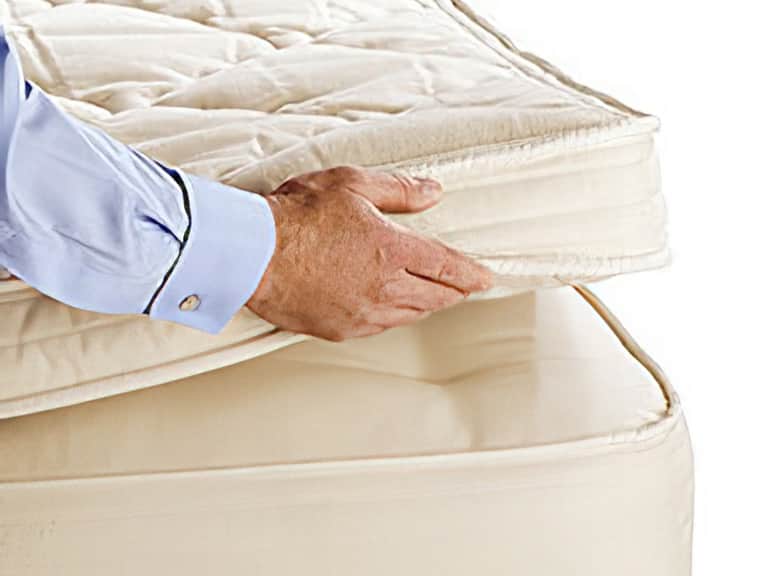
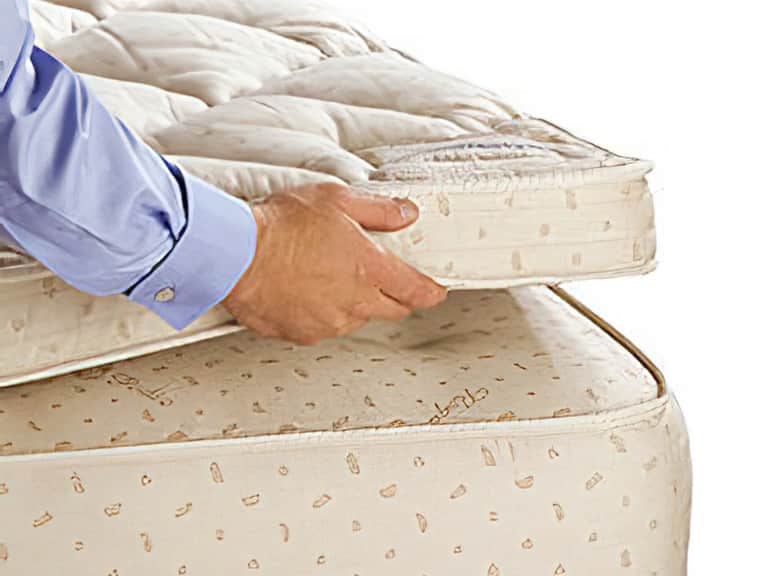
Among the standout premium options that align with a local wellness mindset is a ready-to-use pillowtop and topper combination that brings luxurious cushioning without sacrificing breathability. One notable product in this category is the Royal-Pedic Natural Latex 3" Pillowtop Pad, a top-tier topper designed to deliver pressure relief and a plush feel while maintaining a breathable core. This pad is built with natural latex, wrapped in long-staple cotton, and finished with a premium quilted cover. For Short Hills shoppers, this topper offers a tangible upgrade to existing mattresses, especially when paired with a compatible organic mattress or a compatible base that supports long-term durability.
Wellness Habits Beyond the Bedroom: Daylight, Screens, and Local Activities
Sleep health extends beyond the bed. Local daylight exposure, community activities, and mindful routines contribute to the overall rhythm of your nights. In Short Hills, daylight-friendly routines can be woven into family life through simple, local-friendly practices.
- Morning daylight rituals: Start the day with a brisk walk through neighborhood parks or a quick outdoor stretch. Morning light helps set cortisol rhythms for energy and alertness, and builds a predictable sleep schedule over time.
- Evening wind-down as a family ritual: Use the same quiet activities—tea, soft music, and shared reflections—to signal the body that bedtime is approaching.
- Moderating screen time: Create a household “digital curfew” and designate a charging station away from bedrooms to minimize late-night device use.
- Relaxation practices: Gentle movement, like a family yoga session or stretching routine, can ease physical tension built up during the day and promote deeper sleep.
In this community, wellness is a collaborative effort. Local health professionals, sleep consultants, and retailers often collaborate on events, workshops, and educational sessions. These events can provide valuable insights into mattress care, product care, and the latest research on sleep health—perfect for busy families who want to do more with less friction.
Three Key Figures from Different Time Periods: A Narrative Thread Through Sleep and Wellness
To illuminate the enduring importance of restful living, we turn to three influential figures from different eras, each offering a unique lens on sleep health, personal well-being, and community care.
1) Cleopatra of the Nile (Ancient Wisdom, c. 30 BCE)
While not a resident of Short Hills, Cleopatra’s legendary routines remind us that rest and ritual have long been associated with power and clarity. Cleopatra’s daily routines reportedly balanced political duties with restorative self-care—perhaps soaking in warm baths followed by careful grooming and regulated rest. This ancient figure embodies the idea that sleep is an essential phase of leadership and creative thinking. In modern Short Hills terms, this translates to clear boundaries around evening responsibilities, a quiet ritual, and a calming environment that supports even the busiest households to slip into sleep with purpose rather than panic.
2) Florence Nightingale (19th Century Visionary of Health and Environment)
Florence Nightingale’s emphasis on sanitary environments, habit formation, and patient comfort resonates with today’s sleep wellness ethos. Her approach to creating healing spaces—clean air, organization, and purposeful routines—can be translated into a modern Short Hills home: a cool, dark bedroom; a tidy, clutter-free sleeping zone; and consistent routines that reduce nighttime awakenings. Nightingale’s legacy invites families to view sleep as a social good, an essential pillar of community health, not a private luxury.
3) Dr. Matthew Walker (Contemporary Scientist, 21st Century)
Dr. Matthew Walker’s work on sleep and circadian rhythms provides a contemporary framework for understanding how light, timing, and environment influence sleep quality. His research emphasizes how consistent schedules, exposure to daylight, and mindful bedtime routines can dramatically improve sleep longevity and overall health. In Short Hills, this science translates into practical steps: leveraging morning sunlight, reducing evening light exposure, and prioritizing a consistent sleep window to optimize cognitive function, mood, and family well-being.
Local Sleep-Wellness Resource: A Curated Look at Bedding Categories
In the local landscape, bedding categories provide a spectrum of choices—from organic mattresses to breathable linens. Below is a concise overview of essential categories with examples and practical considerations for Short Hills households.
Bedding: Core Comfort
Bedding forms the interface between you and your mattress. From organic mattresses to breathable cotton sheets, the right bedding can influence temperature regulation and comfort through the night. Organic options prioritize natural materials and minimal chemical treatments, which can support sensitive sleepers and families who value sustainable living.
Latex and Latex Toppers
Latex offers a responsive yet supportive feel, with natural breathability. A topper like the Royal-Pedic Premier Natural 4" Pillowtop Pad provides enhanced cushioning and pressure relief, making it a strong option for households seeking a plush, durable upgrade without harsh chemicals. The cover materials—long-staple cotton and natural wool backing—also contribute to moisture management and temperature balance, key factors in a Short Hills climate where evenings can be cool and mornings refreshing.
Organic Pillows and Support
Pillows in the organic category, including latex and shredded-latex varieties, offer tailored support for neck alignment and pressure relief. A pillow like the Savvy Rest Organic Latex Soap-Shaped Pillow provides a simple, breathable option designed for side sleepers, while other latex pillows deliver contour and neck support for back sleepers. For families, choosing the right pillow is a long-term decision that affects daily comfort and sleep quality.
Mattress Protectors and Encasements
Protectors with organic, breathable fabrics help preserve mattress longevity while reducing exposure to allergens. The Sleep and Beyond Organic Cotton Waterproof Mattress Protector, with its GOTS-certified fabric and TPU layer, demonstrates how protection and comfort can coexist without compromise. Short Hills residents can benefit from protective solutions that are quiet, safe for kids, and easy to care for.
When shopping locally, look for retailers who provide full disclosure about materials, certifications (GOTS, GREENGUARD Gold, GOLS), and care instructions. A retailer that offers a hands-on trial or a sleep-guide session can be a strong ally in discovering what works best for your household. Above all, choose options that align with your values—sustainable materials, natural fibers, and a commitment to healthier sleep for everyone in the family.
A Local Spotlight: The Royal-Pedic Experience in a Short Hills Context
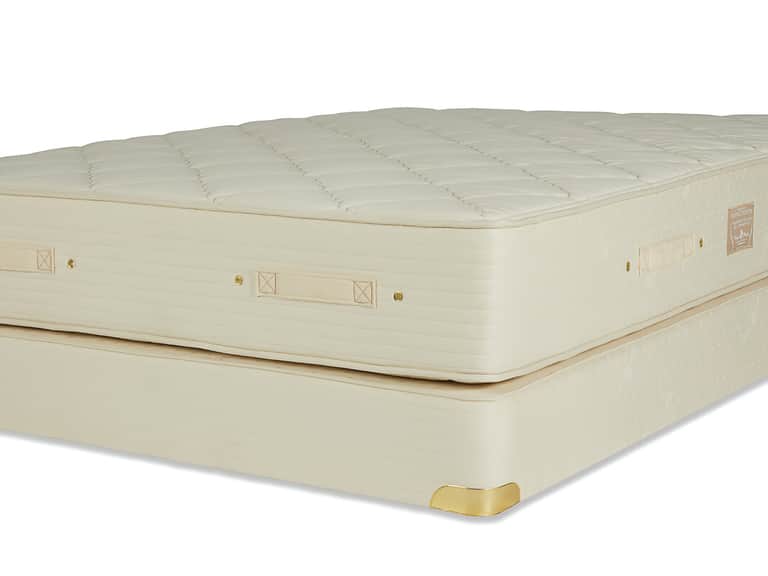
For households seeking premium sleep solutions with an American heritage, Royal-Pedic products exemplify luxury and craftsmanship. The Royal-Pedic Natural Latex 3" Pillowtop Pad (Product 499) is a standout example of a high-end topper designed to deliver substantial pressure relief and cushioning. With a long-staple cotton canvas cover and natural Dunlop latex core, this topper embodies a blend of comfort, durability, and materials purity that resonates with the wellness ethos of Short Hills families.
Royal-Pedic Natural Latex 3" Pillowtop Pad
Top-of-the-line luxury topper designed for rest and relief. A 3" layer of natural Dunlop latex provides cushioning, while the long-staple cotton canvas cover adds durability and breathability. Boxed-edge construction helps keep the topper neatly in place.
Price: $2,217.00
Royal-Pedic Premier Natural 4" Pillowtop Pad
A 4" topper that delivers enhanced cushioning, pressure relief, and a luxurious touch. The topper uses boxed-edge construction and wool batting to deliver warmth and moisture management, wrapped in long-staple cotton.
Price: $2,891.00
For Short Hills readers exploring premium sleep upgrades, these toppers represent a bridge between artisanal manufacturing and modern wellness science. If you’re considering an upgrade to your sleep system, scheduling a conversation with a local retailer who carries these lines can help you understand how to pair toppers with existing mattresses and foundations for optimal results.
Local Community Resources: Events, Experts, and Workshops
Short Hills is rich with wellness professionals who offer sleep-focused advice, ergonomic assessments, and household design ideas that influence sleep quality. Look for events at local wellness centers, community centers, and sleep clinics that discuss sleep hygiene, pillow selection, mattress care, and the science behind circadian rhythms. Attending these sessions can empower you to implement evidence-based routines and to discover products that match your family’s rhythms.
Additionally, consider joining neighborhood groups or online community boards where residents share experiences with local retailers, recommendations for organic bedding, and tips for maintaining restful nights despite the busy pace of life in Short Hills.
Conclusion: A Local Path to Restful Nights
Sleep is a community affair in Short Hills—a blend of personal care, family routines, and nearby resources that support a healthier night’s rest. By embracing a quick-start framework, exploring organic and natural bedding options, and engaging with local wellness professionals, you can cultivate a sustainable sleep culture that uplifts every member of your household. The city’s quiet streets, daylight rhythms, and a shared commitment to well-being offer a perfect backdrop for restorative nights and energized days.
As you explore product choices, remember that premium sleep gear—like the Royal-Pedic pillowtop toppers and other carefully crafted organic options—can be part of a thoughtful approach to sleep that honors your values and your family’s needs. A good night’s sleep isn’t a luxury; it’s a local, shared resource that helps you thrive in Short Hills, one peaceful night at a time.