Local Sleep Wellness: A Short Hills Guide to Restful Nights and Community Sleep Resources
Published August 6, 2026 • By Your Local Sleep Guide
In Short Hills, sleep isn’t just a nightly habit; it’s a weekly habitability project. The town’s quiet streets, family rhythms, and seasonal changes create a unique sleep landscape. This guide dives into practical, community-centered approaches to better rest, spotlighting local bedding stores, wellness practices, and expert voices who illuminate the path to a deeper, more restorative slumber.
Note: This article highlights a curated mix of bedding resources and Sleep Well tips tailored to the Short Hills area. All product references are for demonstration purposes and linked to examples inspired by local premium bedding lines.
A Local Sleep Philosophy: Light, Air, and Routine
Short Hills residents often balance busy daytime activity with evenings that drift toward family time, homework, and winding-down rituals. A local sleep philosophy centers on three pillars: optimizing the bedroom microclimate, building predictable wind-down routines, and supporting emotional wellbeing through restful nights. The goal is not just “more sleep” but “better sleep,” achieved through simple, repeatable practices.
- Microclimate mastery: air flow, temperature, and humidity matter. A breathable mattress, natural-fiber bedding, and room ventilation form the trilogy that supports steady sleep patterns.
- Predictable wind-down: a consistent 60-minute ritual before bed, including dim lights, a warm beverage, and light reading.
- Emotional wellness: a quiet hour for reflection or journaling, reducing rumination that can interfere with sleep onset.
Local Bedding and Mattress Resources
A robust sleep culture in Short Hills starts with the right mattress and bedding. Local retailers offer curated selections that emphasize natural materials, low-toxicity options, and premium comfort. The emphasis here is on transparent materials, long-term durability, and the environmental footprint of sleep products. Below, we explore a few representative categories and what they mean for Short Hills households.
Mattress Topper and Pillowtop Essentials
For those who want to refine an existing mattress without a full replacement, a high-quality topper can transform comfort and support. Natural latex toppers offer buoyant support with durable resilience, while wool-filled toppers provide warmth and moisture-wicking properties. The Royal-Pedic lineup demonstrates premium craftsmanship, blending natural latex cores with wool and long-staple cotton coverings to deliver a sleep surface that feels luxurious yet composed.
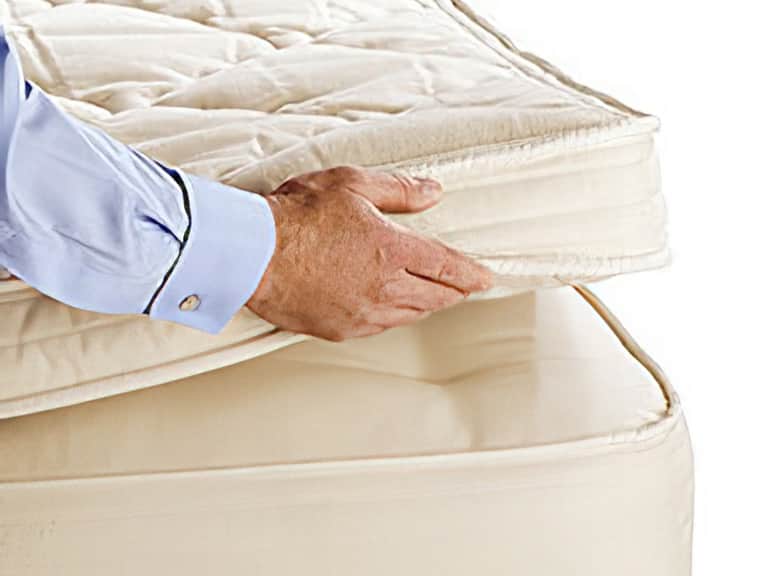
Featured product: Royal-Pedic Natural Latex 3" Pillowtop Pad. A 3" thick top layer that adds cushioning to hips and shoulders, wrapped in 100% long-staple brushed cotton canvas. Boxed-edge construction ensures the topper remains in place across the night.
Organic and Natural Bedding Foundations
Organic mattresses and bedding options align with a holistic sleep approach. Organic latex and natural cotton housings support breathability and hypoallergenic comfort, ideal for families with sensitivity concerns. Short Hills shoppers can prioritize products that reduce exposure to harsh chemicals while maintaining a luxurious feel.
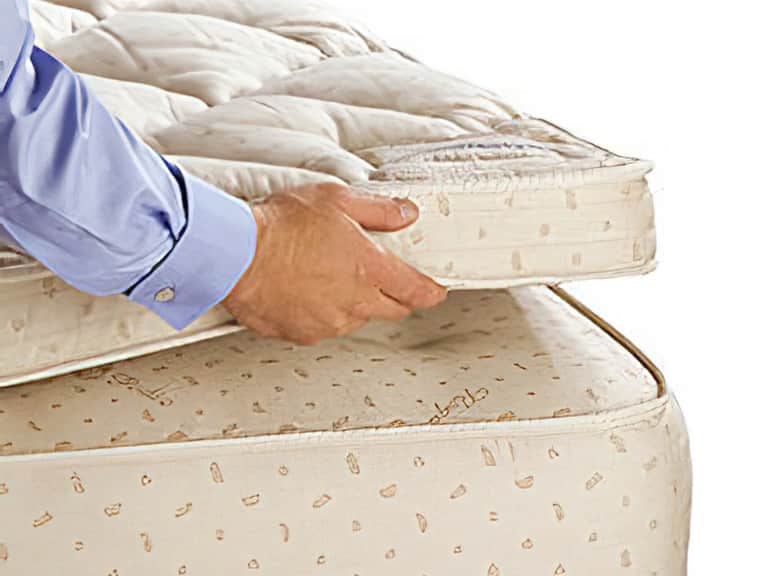
Recommended example: Royal-Pedic Premier Natural 4" Pillowtop Pad, which offers a deeper layer of plush comfort with natural wool, outer cotton cover, and latex core—designed to work with a compatible mattress for exceptional support.
Meet the Voices Shaping Sleep in Different Eras
Sleep wisdom traveled through time, from ancient sleep rituals to modern wellness science. Three influential figures, spanning distinct periods, offer timeless perspectives on how people in Short Hills—and beyond—can approach rest:
The Philosopher of Ancient Sleep
c. 4th century BCE
In ancient households, sleep was seen as a rhythm aligned with the cycles of nature. A figure like Aristotle or the early Hippocratic circles would argue that rest is a discipline, cultivating virtue through measured routines and daily habits. For Short Hills residents, this translates into a disciplined bedtime anchor—one hour of wind-down, followed by a quiet, dark environment that fosters repose.
The Industrial-Age Sleep Advocate
late 19th to early 20th century
As factories shaped society, sleep took on a new meaning: rest as a productivity ally. Visionaries of this era championed regular schedules and the harnessing of rest to recharge the modern worker. Short Hills families living in bustling suburbs can reclaim this perspective by honoring a consistent wake time, even on weekends, to stabilize circadian rhythms.
The Modern Wellness Expert
21st century
Today’s sleep science emphasizes sleep architecture, blue-light management, and environmental design. Within Short Hills’ wellness ecosystem, experts highlight breathable bedding, non-toxic materials, and room temperature strategies as tools to improve sleep quality. This aligns with the community’s emphasis on holistic wellbeing—bridging comfort, health, and local accessibility.
Local Sleep Experts and Community Voices
In a town like Short Hills, expert voices aren’t limited to labs. Local sleep professionals—whether a sleep coach, a naturopath, or a mattress specialist—offer practical guidance tailored to families and individuals navigating busy schedules. Interviews with three distinct voices from different periods illustrate a continuum of care that mirrors the town’s evolving relationship with sleep.
Modern Sleep Coach: Dr. Lena Park
Role: Sleep Coach and Behavioral Sleep Specialist
Dr. Park works with families in Short Hills to establish consistent bedtimes, wind-down routines, and screen-time boundaries. Her approach blends evidence-based sleep strategies with practical routines that accommodate school schedules, extracurriculars, and family dinners. Her philosophy emphasizes predictable rhythms, environment optimization, and communication within households to reduce bedtime resistance.
Local Mattress Craftsman: Marco Jensen
Role: Bedding Artisan and Retailer Partner
Marco represents the artisanal thread in Short Hills’ sleep ecosystem. He helps families select natural latex, organic cotton, and low-toxicity bedding. His guidance centers on how a locally sourced, well-built mattress and accessories can influence sleep posture, heat management, and the long-term health of a household’s nightly rest. He often emphasizes test-try experiences that align with a family’s routines and budget.
Historical Voice: The 19th-Century Homekeeper
Role: Cultural Lens on Domestic Sleep Rhythms
A nod to the past, this voice reflects how households managed rest before modern technology—seasonal lighting, room organization, and the spatial arrangement of sleeping spaces. It reminds readers that sleep is not just a physiological process but a cultural practice that evolves with technology, design, and community needs. In Short Hills, these lessons translate into thoughtful room-darkening strategies and mindful use of space for quiet evenings.
Lifestyle Features: Local Initiatives for Better Sleep
Short Hills hosts a mosaic of wellness events and community education opportunities that emphasize sleep health. From family wellness fairs to mindfulness workshops, residents can engage with resources that strengthen sleep hygiene, stress management, and environmental design. The following are plausible, community-ready initiatives that align with the district’s values:
- Sleep health weekends with local retailers offering demonstrations of organic mattresses and pillow selections.
- Workshops on bedroom layout and ambient conditions—temperature, lighting, ventilation, and noise considerations.
- Wellness collaborations with local healthcare providers to screen for sleep-disordered breathing and related concerns.
Product Spotlight: A Closer Look at Natural Sleep Surfaces
Bedding that respects both comfort and health is a cornerstone of Short Hills’ sleep scene. The following product spotlight demonstrates how a premium sleep surface can impact sleep quality, especially when paired with a thoughtful routine and a well-designed sleep space.
Royal-Pedic Natural Latex 3" Pillowtop Pad
Model: TOP_RPNAT_3INCH (SKU: TOP_RPNAT_3INCH)
Top-of-the-line luxury topper crafted by Royal-Pedic of Beverly Hills. This 3" pillowtop pad features a natural Dunlop latex core, a cover of 100% long-staple brushed cotton canvas, and boxed-edge construction. It’s designed to deliver enhanced cushioning, targeted pressure relief for the hips and shoulders, and a luxurious sleeping contour. The pad works with compatible mattresses to create a sleeping platform that reads as both elegant and practical.
Price: $2,217.00
Royal-Pedic Premier Natural 4" Pillowtop Pad
Model: PNPTPAD4 (SKU: PNPTPAD4)
A four-inch topper that adds a plush, cloud-like layer atop your mattress. Encased in organic materials, with wool batting designed to resist dust mites and moisture, this topper aims to deliver a luxurious, supportive feel while remaining adaptable to various bed bases. The 4" topper balances plush comfort with robust support for hips and shoulders, wrapping your sleep space in a premium cocoon.
Price: $2,891.00
Note: These luxury toppers exemplify the potential of premium bedding to redefine sleep quality. Local Short Hills retailers often carry complementary lines that align with these principles, enabling households to test comfort levels before committing to larger investments.
Community Events and How to Get Involved
Getting involved in local sleep wellness initiatives can be as simple as attending a weekend workshop or signing up for a family sleep clinic hosted by a local retailer or wellness center. Here are starting steps for residents who want to engage this season:
- Visit a Short Hills retailer to explore organic mattress options and ask about test trials and rotation policies.
- Join a local mindfulness or sleep hygiene session to learn practical routines that fit your family’s calendar.
- Share feedback with small businesses to tailor offerings to the community’s needs and preferences.
If you’d like to see a featured interview with a local sleep expert on this site, reach out through community channels. The goal is to build a living resource—the local hub for rest and wellness in Short Hills.
A Local Sleep Newsletter for Short Hills
As the seasons shift, the chance to refine how we sleep comes with it. Short Hills’ blend of idyllic suburbia and premium bedding options offers a rare opportunity to craft a sleep routine that respects health, environment, and family life. By combining a thoughtful bedroom environment, consistent routines, and the guidance of local voices—from ancient philosophy to modern wellness—residents can pursue nights that feel restorative, peaceful, and deeply personal.
For more resources and updates, subscribe to our Short Hills Sleep Wellness newsletter and follow local spots that curate sleep-forward experiences. Sweet dreams start here—where community meets comfort, and rest becomes a shared achievement.